

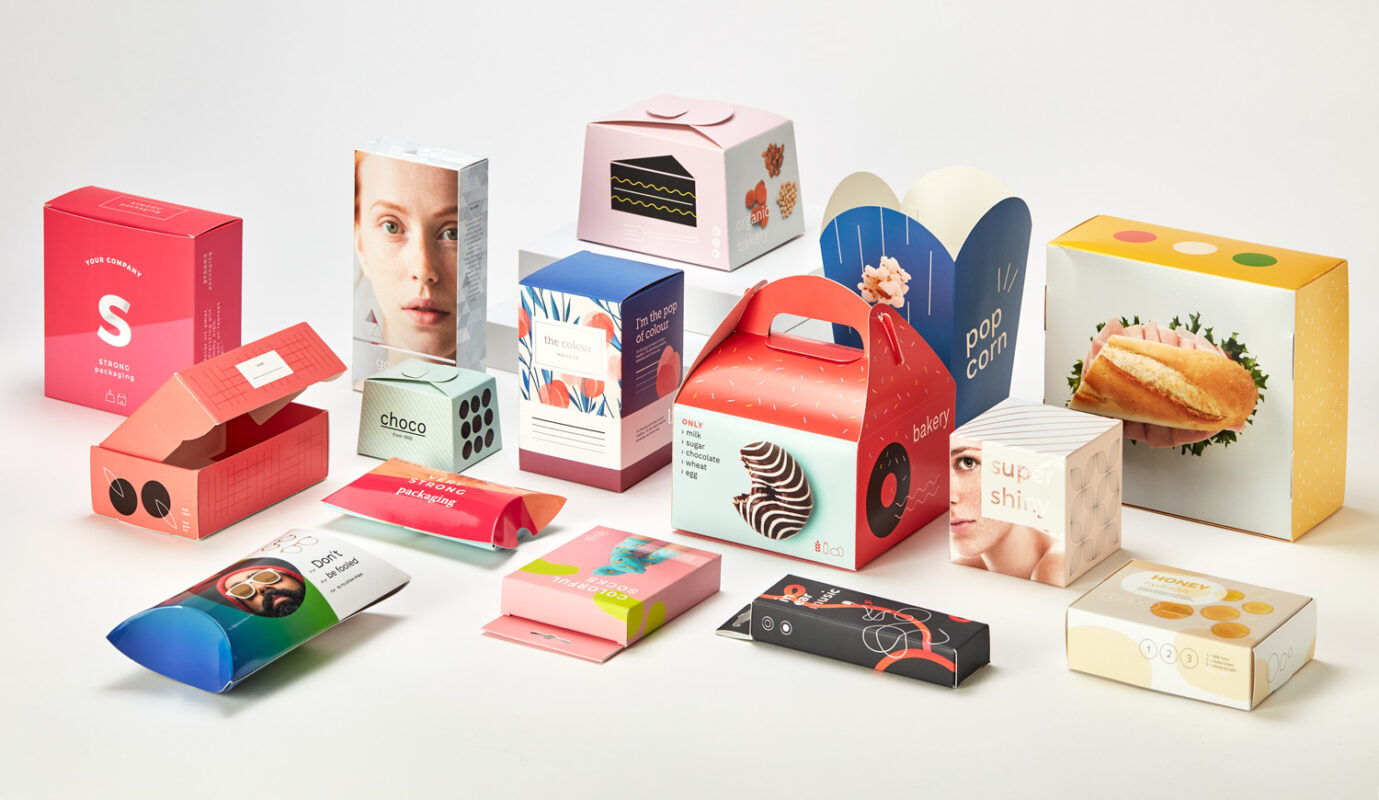
Packaging plays a crucial role in influencing consumer purchasing decisions, often without them even realizing it. It can convey a brand’s values, provide product information, and leave a lasting impression on customers even after the purchase.
I remember when I received my first smartphone. The cardboard box, though simple, seemed high quality due to its thickness and the absence of plastic materials. It gave a sense of durability and sophistication. Over time, the manufacturer reduced the size of the packaging, allowing for more efficient product transportation, saving costs, and reducing CO2 emissions. However, it’s not just the appearance that matters; the tactile feel, weight, and aesthetics of the packaging are equally important.
In the era of global online commerce, packaging takes on even greater significance. Customers who order products online first encounter them through the packaging in which they are delivered. Packaging can enhance anticipation and make unboxing a pleasant experience. Additionally, it must protect the product, ensuring it arrives in perfect condition even after long-distance transportation.
Increased Demands and Consumer Awareness
Currently, the use of blister plastic packaging is becoming increasingly unpopular, as many consumers prefer sustainable and recycled materials. According to a recent GfK study, 92% of customers in Germany support the use of recycled packaging materials.
However, plastic offers hard-to-replace advantages, such as absolute hygiene and airtight protection against moisture. Cellulose-based packaging faces challenges in these areas. Nevertheless, numerous companies worldwide are developing eco-friendly alternatives, offering innovations and sustainable solutions at competitive prices. The challenge lies in identifying these companies and establishing reliable partnerships. Despite high demands and sophisticated design, packaging costs must remain reasonable.
The Future of Packaging
Packaging has a major influence on consumer purchasing decisions, often unnoticed. It not only communicates brand values and provides essential product information but also leaves a lasting impression on customers even after the purchase.
I remember when I received my first smartphone. The cardboard box seemed of superior quality due to its thickness and the absence of plastic materials. It conveyed a sense of durability and elegance. As technology advanced, manufacturers reduced the size of the packaging, saving transportation costs and reducing CO2 emissions. It’s not just the visual design that matters but also the tactile feel, weight, and overall aesthetics of the packaging.
In the era of online commerce, packaging is even more important. Customers encounter the product for the first time through its packaging, making presentation crucial. Packaging not only enhances anticipation but also ensures product protection during transportation.
Increased Demands and Consumer Awareness
Today, the use of blister plastic packaging is increasingly discouraged, with consumers preferring sustainable and recycled materials. According to a study conducted by GfK, 92% of customers in Germany support the use of recycled packaging.
Although plastic offers advantages such as hygiene and protection against moisture, cellulose-based packaging faces challenges in these areas. However, many companies worldwide innovate and provide eco-friendly solutions at competitive prices. The challenge is identifying these companies and establishing trustworthy partnerships. Despite high demands and sophisticated design, packaging costs must remain affordable.
The future of packaging depends on balancing sustainability, functionality, and costs to meet the needs of both consumers and producers.
